




Accelerating Utilization Management Decision Letters with Speed Scale and Compliance
What’s Changing & Why it Matters
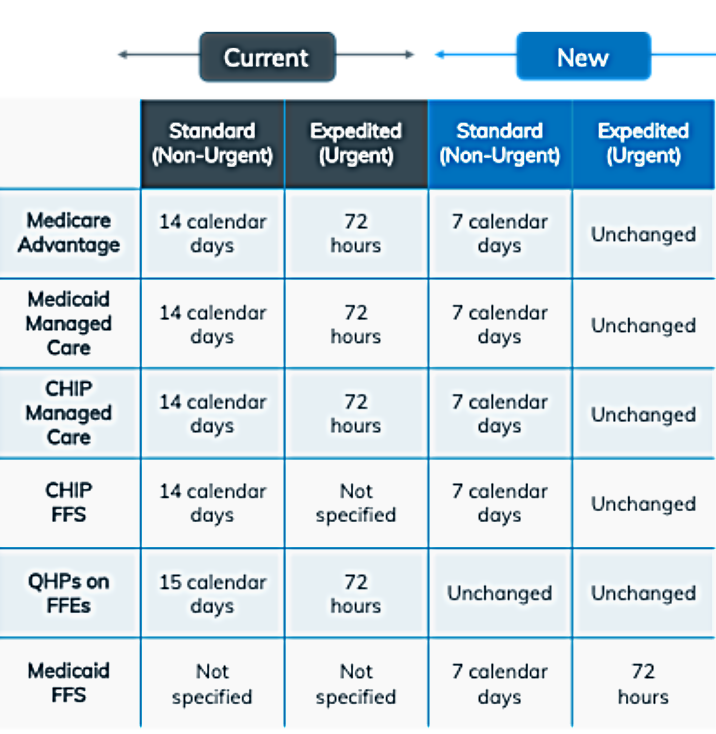
CMS updates are raising expectations across speed and decision transparency. Key changes include:
- Standard prior authorization decisions must be completed within CMS‑mandated turnaround timeframes
- Denial reasons must be clearly communicated to both members and providers through compliant prior authorization notifications
- Plans must track and publicly report prior authorization metrics
- New requirements expand communication expectations across formats and audiences
While these CMS changes will have implications for data management and scalability, the requirements also present opportunities to enrich your member experience.
Strategy 1: Elevate the Member Experience Through Clear, Timely Communication
CMS changes were introduced to improve transparency and reduce delays in care, but they also expose where health plans’ communications—particularly prior authorization notifications—are falling short today.
Where the experience breaks down
- Members don’t fully understand coverage decisions or next steps
- Denial communications—including prior authorization decision letters—are unclear or delayed
- Providers and members receive inconsistent information
- Member confusion leads to increased call volume
These gaps don’t just impact satisfaction; they create friction that slows down care and adds operational burden.
What to focus on
Improving the member experience starts with communication that is clear, timely, and actionable:
- Deliver communications within CMS prior authorization notification timeframes to avoid delays in care
- Provide clear denial reasons and next steps so members and providers can act quickly
- Ensure consistency across member and provider messaging
- Incorporate next best actions tailored to the member’s needs to make communications more relevant and actionable
When communication is easy to understand and arrives on time—including same‑day delivery of utilization management communications when required. Members are better equipped to make informed care decisions and receive needed services. Providers can adjust treatment plans more quickly. And organizations see fewer follow-up inquiries and escalations.
Strategy 2: Improve Outcomes Through Streamlined, Scalable Systems
Delivering better communication consistently requires systems that can support speed, scale, and CMS prior authorization communication compliance.
Many payer organizations are still relying on disconnected tools and manual processes that make it difficult to keep up with growing demands.
Where systems fall short
- Fragmented platforms across teams and workflows
- Manual processes that delay prior authorization letter and notification delivery
- Limited scalability across lines of business and during high decision volumes
- Gaps in tracking, reporting, and compliance visibility
These challenges increase administrative overhead and make it harder to meet CMS requirements consistently while ensuring accuracy and reliability of communications.
What to focus on
Leading health organizations are shifting to more integrated, automated approaches:
- Centralize templates and content to simplify updates and ensure consistency
- Automate production and QC workflows to reduce manual effort and variation in prior authorization communications
- Enable multi‑channel communication delivery from a single system to support same‑day UM notifications
- Build data-driven tracking and reporting to support compliance and performance monitoring
Streamlined systems reduce operational burden and improve reliability. Communications are delivered faster, with fewer errors, and with less manual coordination.
The result is better outcomes across the board—faster decisions, fewer delays in care, and more efficient UM operations.
Conclusion: Modernization Is Key to Managing Complexity and Improving Outcomes
CMS requirements are raising the standard for UM communications—while increasing operational pressure on payers.
Organizations that continue to rely on fragmented processes will struggle to keep up. Those that modernize can reduce administrative burden while delivering clearer, faster, and more consistent communication.
To make this shift, payers need solutions that support both operational efficiency and a better member experience. mPulse supports payers in transitioning from manual, fragmented UM processes to more efficient, automated workflows. With a modern production environment that combines data-driven quality control and advanced print and digital capabilities, we ensure communications are accurate, compliant, and delivered on time while consistently meeting CMS prior authorization notification requirements and same‑day SLAs.
At the same time, our solutions are designed to elevate the member experience by reaching individuals through their preferred channels and incorporating personalized next best actions that guide them toward the right next step in their care journey.
By focusing on both the member experience and the systems that support it, payers can meet regulatory demands while improving operational efficiency and care outcomes.
Now is the time to make that shift.
Looking to streamline your UM communications and stay ahead of CMS requirements?
mPulse’s UM solutions help you simplify operations, ensure compliance, and deliver clear, timely communications at scale.